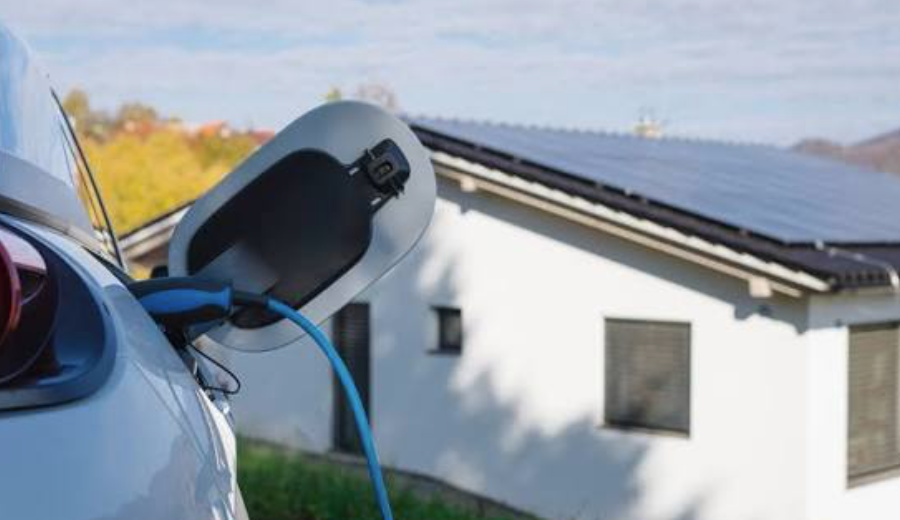

Electric vehicles are changing residential electrical requirements as more homeowners consider installing charging equipment.
Home charging can provide convenience, but the installation must be designed around the property’s existing electrical system.
An electrical panel plays an important role in supplying and protecting the charging circuit.
Understanding Residential Electric Vehicle Charging
Home charging equipment supplies electrical power to an electric vehicle through a compatible charging connection.
Charging systems vary in voltage, current, and installation requirements.
Some vehicles can charge through lower-power connections, while higher-power charging equipment requires circuits designed for greater electrical demand.
The appropriate setup depends on vehicle capabilities, charging expectations, and available electrical infrastructure.
Why EV Charging Requires Electrical Planning
Electric vehicle charging can continue for extended periods.
In electrical systems following North American standards, EV charging is generally treated as a continuous load for relevant circuit-sizing purposes.
This affects conductor selection, overcurrent protection, and equipment ratings.
A licensed electrician should determine the proper installation requirements.
Evaluating Available Electrical Capacity
Before installing charging equipment, the electrical service and distribution system should be assessed.
The evaluation may include existing loads, service ratings, panel condition, and circuit availability.
Load Calculations
A residential load calculation helps determine whether the proposed charging system can be supported safely.
Dedicated Circuits
Many home charging installations require a dedicated branch circuit.
The circuit must be designed according to the charging equipment instructions and applicable electrical standards.
Load Management Solutions
Some charging systems include controls that manage electricity consumption based on available electrical capacity.
Approved energy management equipment may reduce charging current when other household loads are high.
Such solutions can sometimes avoid the need for larger electrical service equipment.
However, their suitability depends on system design and local requirements.
Panel Modifications for Charging Equipment
Electrical modifications may be necessary when suitable circuits or capacity are unavailable.
An electrician may evaluate additional circuit installation, equipment reconfiguration, or other approved solutions.
In cases where existing distribution equipment cannot support the intended charging arrangement, electrical panel replacement Chicago may be considered as part of the installation planning process.
The decision should account for calculated demand, equipment compatibility, and available alternatives.
Charging Equipment Location
Charging stations are often installed in garages, driveways, or designated parking areas.
Location affects cable routing, environmental protection, and equipment mounting.
Outdoor installations require equipment suitable for the conditions.
Electrical work should be coordinated with the charging equipment manufacturer’s instructions.
Electrical Safety and Professional Installation
EV charging circuits can carry significant current for extended periods.
Incorrect wiring, poor connections, or unsuitable protective devices can create overheating and electrical hazards.
Professional installation helps ensure the system is properly designed, protected, and inspected where required.
Conclusion
Electric vehicle charging requires thoughtful integration with residential electrical infrastructure.
Electrical panel capacity, circuit design, charging equipment specifications, and load management options all influence installation decisions.
A professional assessment helps homeowners choose an appropriate charging solution while maintaining electrical safety and reliability.